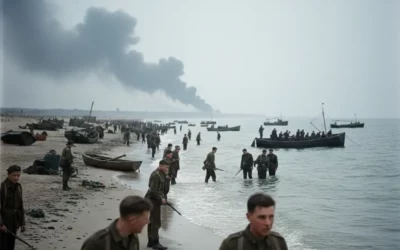
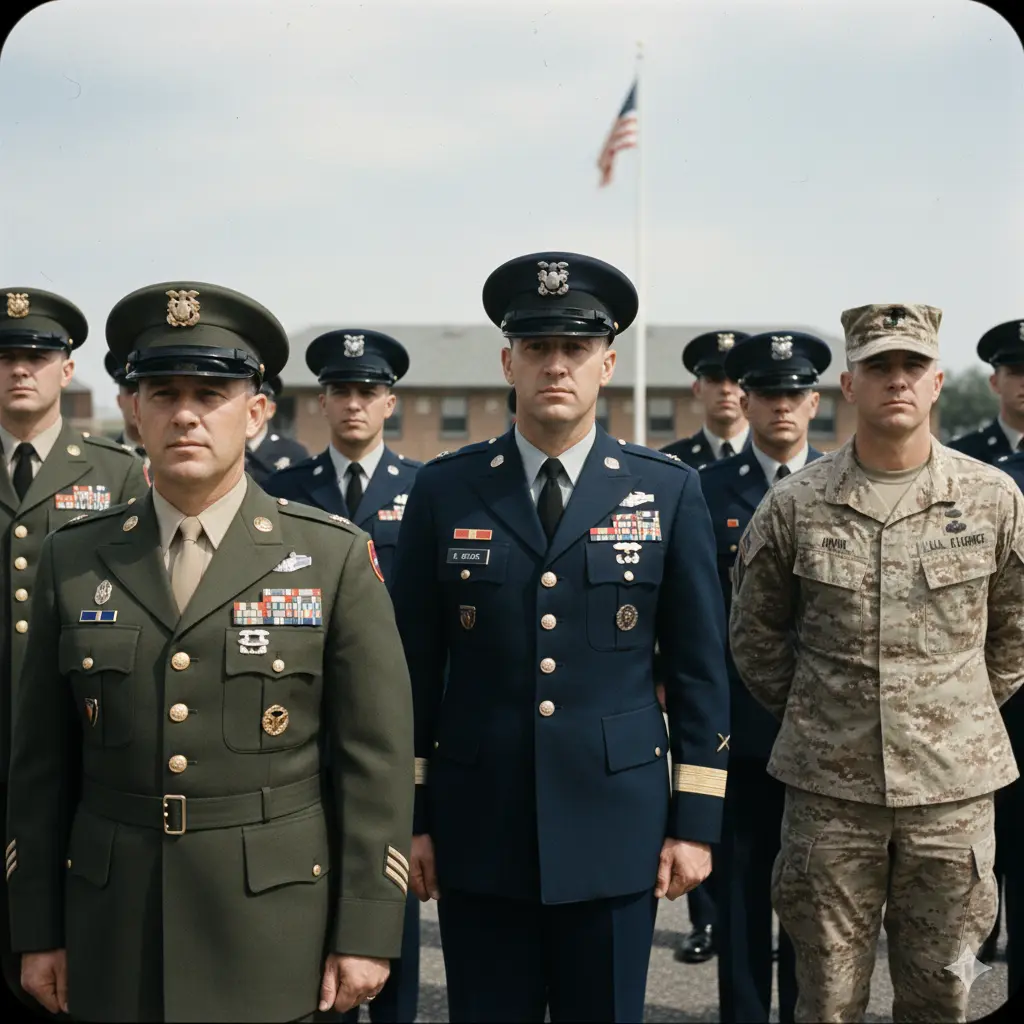
When you stand on the windswept bluffs of Omaha Beach or walk through the silent rows of white crosses at the Normandy American Cemetery, the weight of history is palpable. For many American travelers, this pilgrimage to France is a way to honor the legacy of those who led the Armed Forces through the greatest conflict of the 20th century. However, understanding the highest military rank and the complex hierarchy of the United States military can be daunting. Is a General the absolute top, or does a five-star general hold more sway? In this guide, we break down the intricacies of military ranks, from the Airman Basic to the legendary General of the Armies, so you can fully appreciate the leadership that shaped World War II and continues to guide our commissioned officers today.
The Pinnacle of Command: What is the Highest Military Rank?
In the modern United States military structure, the highest military rank currently in active use is the four-star general or admiral (pay grade O-10). These commissioned officers serve as the Chief of Staff for their respective branches, such as the Army Chief, Chief of Naval Operations, or the Air Force Chief of Staff. Collectively, these leaders form the Joint Chiefs of Staff, advising the President on armed forces strategy. However, history buffs visiting Normandy will often hear of the five-star general rank, known as General of the Army or Fleet Admiral. This five-star rank was reserved for wartime and was held by iconic figures like Dwight D. Eisenhower and George C. Marshall.
Beyond even the five-star level lies a unique title: General of the Armies. This is technically the highest military rank ever authorized, often referred to as a “six-star” rank, though no official six-star insignia exists. It has only been conferred upon three individuals: John J. Pershing, George Washington (posthumously), and Ulysses S. Grant (posthumously). For the American traveler exploring the D-Day landing sites, understanding that Eisenhower commanded the Allied forces as a General of the Army helps frame the immense responsibility he carried. While the four-star general is the top of the ladder today, the ghosts of the five-star legends still haunt the bunkers and hedgerows of World War II Europe.
Officer Hierarchy: From Second Lieutenant to General
The military rank system for commissioned officers is divided into three main categories: company grade, field grade, and general or flag officers. When a young officer graduates from West Point or the Naval Academy, they typically start as a second lieutenant (Army, Marine Corps, Air Force, Space Force) or an ensign (Navy, Coast Guard). As they progress, they become a first lieutenant or lieutenant junior grade, eventually reaching the rank of captain or lieutenant. These junior grade officers are the boots-on-the-ground leaders you often see depicted in World War II films, leading platoons and companies through the dunes of Utah Beach.
Moving up the chain, field grade officers include the major, lieutenant colonel, and colonel. In the Navy and Coast Guard, the equivalents are lieutenant commander, commander, and captain. These leaders handle larger tactical operations and battalion-level commands. Finally, the “stars” belong to the general officers: brigadier general (one star), major general (two stars), lieutenant general (three stars), and the four-star general. Each pay grade and grade reflects a massive increase in responsibility, managing thousands of enlisted personnel and multi-million dollar assets across the globe.
Comparison of Highest Officer Ranks by Service Branch
| Pay Grade | Army / Marines / Air Force / Space Force | Navy / Coast Guard |
|---|---|---|
| O-10 | General (4-Star) | Admiral (4-Star) |
| Special (Wartime) | General of the Army / Air Force (5-Star) | Fleet Admiral (5-Star) |
| Special (Historical) | General of the Armies | Admiral of the Navy |
The Backbone of the Force: Enlisted and Warrant Officers
While the highest military rank gets the headlines, the enlisted ranks are the true engine of the armed forces. Every airman, marine, or soldier starts at the bottom. In the Army, this is private, while the Air Force begins with airman basic. As they advance through private first class, specialist, and corporal, they enter the non-commissioned officer (NCO) corps.
These leaders, like the sergeant, staff sergeant, and sergeant first class, are responsible for the daily welfare and training of their units. The highest military ranks for enlisted members are the E-9 grades, such as sergeant major, master chief petty officer, or chief master sergeant.
Between the enlisted and commissioned officer ranks sits the warrant officer. These are highly specialized technical experts. A chief warrant officer (specifically chief warrant officer 5) holds a commissioned rank but focuses on a specific niche, like aviation or intelligence, rather than general command. In World War II, these roles were vital for maintaining the complex machinery of the air force and navy fleets. Whether you are a senior airman or a master gunnery sergeant, the military rewards longevity, skill, and leadership through a strict pay grade system that ensures everyone knows their place in the chain of command.
Summary of Enlisted Rank Categories
| Category | Army/Marines/AF/SF Examples | Navy/Coast Guard Examples |
|---|---|---|
| Junior Enlisted | Private, PFC, Airman First Class | Seaman Recruit, Seaman Apprentice |
| Non-Commissioned Officers | Sergeant, Staff Sergeant, Tech Sergeant | Petty Officer Third, Second, First Class |
| Senior NCOs | First Sergeant, Sergeant Major | Chief Petty Officer, Senior Chief |
Making Your Pilgrimage a Reality
Understanding the highest military rank and the structure of the United States military adds a profound layer of meaning to your Normandy tour. When you stand where Generals once looked out over the English Channel, or read the names of First Lieutenants and Staff Sergeants who gave everything, the history becomes personal. We are here to help you navigate these hallowed grounds with the respect and knowledge they deserve. Planning a trip to the D-Day landing beaches is more than just a vacation; it is an emotional connection to the World War II generation. Let us take care of the logistics while you focus on the stories of the commissioned and enlisted heroes who changed the world. Your journey to Normandy starts with a single step, and we are honored to guide you through every mile of this historical pilgrimage.
Frequently Asked Questions
What is the highest military rank ever achieved in the US?
The highest military rank ever achieved is General of the Armies. It was notably conferred upon John J. Pershing and George Washington. It is considered superior to the five-star general rank.
Is a 5-star general higher than a 4-star general?
Yes, a five-star general (General of the Army) outranks a four-star general. The five-star rank is typically reserved for wartime and has not been active since the World War II era.
Who was the last 5-star general in the United States?
The last officer to hold a five-star rank was Omar N. Bradley, who was promoted to General of the Army in 1950. Other famous holders include Dwight D. Eisenhower and Douglas MacArthur.
What is the highest rank in the Navy?
In the Navy, the highest active rank is Admiral (4-star). The wartime equivalent of a 5-star general is a Fleet Admiral.
Does the Marine Corps have 5-star generals?
No, the Marine Corps has never had a five-star rank. The highest military rank in the Marines is the Commandant of the Marine Corps, which is a four-star general.