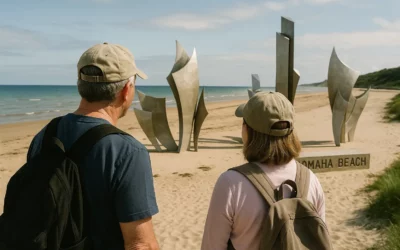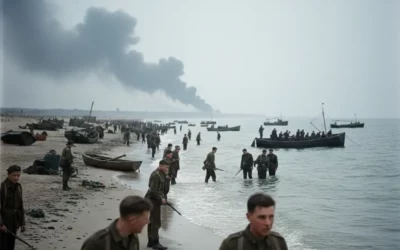
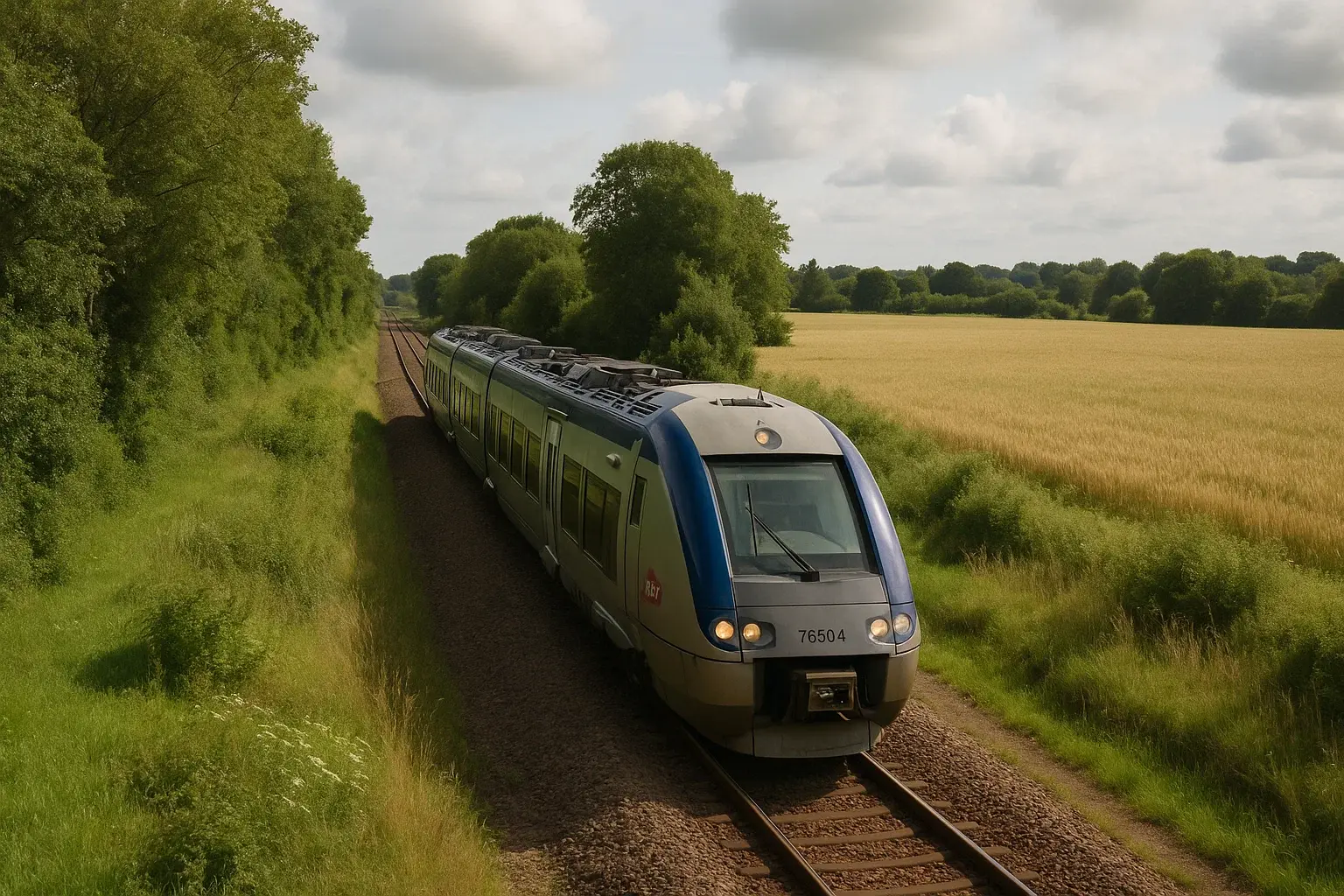
Planning a trip from Paris, the “City of Light” to the historic shores of Normandy is a journey through time. Whether you are traveling to pay your respects at the D-Day Landing Beaches, marvel at the Mont-Saint-Michel, or wander through Monet’s Gardens at Giverny, choosing the right transport is the foundation of a successful trip.
In barely two hours you may trace front‑line beaches, medieval spires, and apple orchards, all without exhausting your budget or your energy. This guide cuts through conflicting advice and gives you a clear roadmap based on updated timetables, verified distances, and first‑hand experience.
What is the distance from Paris to Normandy Cities and Coasts?
While Normandy may look like a quick hop from the capital on a map, the region’s geography is vast and varied. Understanding the distance is the first step in planning a trip that balances historical discovery with the relaxation of the French countryside.
The Geographic Breakdown
- To the Regional Border (Rouen): The straight-line distance is approximately 136 km. This is your gateway to the region.
- To the D-Day Beaches (Omaha/Bayeux): If your goal is the historic coast beyond Caen, the road distance rises to roughly 240–270 km.
- The “Vibe” Shift: In just under two hours, the urban gray of Paris gives way to the vibrant green of the bocage (traditional hedgerows) and the dramatic white cliffs of the Alabaster Coast.
Travel Time Benchmarks
| Method | Typical Duration | Focus Destination |
| 🚆 Intercités Train | 1h 22m | Paris → Rouen (Center) |
| 🚗 Rental Car | 2h 10m | Paris → Caen (Via A13) |
| 🚌 Intercity Coach | 3h 00m+ | Paris → Caen/Rouen |
Why the Distance Matters for Your Planning
Knowing these figures helps you realistically schedule your “must-see” moments. A 136 km trip to Rouen allows for a leisurely lunch in a half-timbered square, while the 274 km trek to the American Cemetery requires an early start to beat the afternoon tides at Omaha Beach.
Strategic Recommendation: Day Trip vs. Multi-Day
- The Day Trip: Best suited for a “surgical” strike on a single site (e.g., Giverny or the Bayeux Tapestry).
- The Multi-Day Loop: Highly recommended if you wish to explore apple-orchard country, sample regional ciders, and visit multiple D-Day sectors without the stress of a 5-hour round-trip commute.
Expert Insight: Don’t let the modest mileage fool you. The charm of Normandy lies in its “slow” roads, the winding paths between cider presses and windswept cliffs. Always add a 30-minute “spontaneity margin” to your GPS estimates.
Choosing Your Route: Train, Car, or Coach?
There are three tried-and-tested ways to bridge the gap between the Parisian boulevards and the Norman coast. Your choice depends on whether you prioritize speed, budget, or total independence.
At a Glance: Transport Comparison
| Mode | Travel Time | Est. Cost (One Way) | Best For… |
| 🚆 Intercités Train | 1h 24m – 2h 15m | €15 – €50 | Efficiency, comfort, & city-to-city speed. |
| 🚗 Rental Car | 2h 00m – 3h 00m | €75+ (Fuel/Tolls/Rent) | Families, groups, & rural exploration. |
| 🚌 Intercity Coach | 3h 00m+ | €10 – €20 | Budget travelers & students. |
1. The Train: The Stress-Free Specialist
Departing exclusively from Paris Saint-Lazare, the train is almost always the fastest option.
- Frequency: Trains depart every 20 minutes for Rouen and roughly every hour for Caen and Bayeux.
- Booking: You can secure seats up to four months in advance. We recommend booking at least two weeks out during the summer season to lock in “Prems” (discounted) fares.
- The Experience: Lean back, enjoy the onboard Wi-Fi, and watch the Seine Valley fly by at 200 km/h.
2. The Rental Car: The Freedom Seeker
Driving via the A13 motorway is the only way to truly unlock the “hidden” Normandy.
- The Perks: Stop whenever you like—whether it’s to visit Monet’s Gardens in Giverny or to follow the Cider Route through the Pays d’Auge.
- The Costs: Remember to factor in high European fuel prices and motorway tolls (approx. €20–€30 round trip).
- Pro-Tip: If you aren’t comfortable with Parisian traffic, take the train to Caen and pick up your rental car there.
3. The Coach: The Budget Champion
Long-distance coaches (like FlixBus or BlaBlaCar Bus) offer unbeatable prices for those with a flexible schedule.
- The Experience: While the journey takes longer (3+ hours), it is an excellent opportunity to catch up on reading or nap before your tour begins. It is the ideal choice for solo backpackers or those traveling on a strict budget.
- The Route: Most coaches stop in Rouen and Caen.
Tailored Normandy Itineraries: Find Your Travel Style
Your transport choice is the first step, but your itinerary is the soul of the trip. We have designed these three “tried-and-tested” routes to help you match your pace with Normandy’s rich offerings.
1. The History Enthusiast (The Focused Day Trip)
Perfect for: Travelers with limited time who want to honor the legacy of D-Day.
- The Route: Board the 07:12 Intercités from Paris Saint-Lazare to Bayeux.
- The Morning: Explore the Bayeux Tapestry (a quick walk from the station) or the Memorial Museum of the Battle of Normandy.
- The Afternoon: Catch a local shuttle or private hire to Omaha Beach and the American Cemetery at Colleville-sur-Mer.
- The Return: Catch the 19:09 train back to Paris.
- Total Ground Time: 9 Hours.
- Pro-Tip: Book your beach shuttle in advance; they fill up quickly during the summer months.
2. The Gourmet Escape (The Weekend Road Trip)
Perfect for: Foodies and couples looking for the “Art de Vivre” of the French coast.
- Friday Evening: Pick up a rental car and drive to the harbor town of Honfleur. Enjoy a late cider by the Vieux Bassin.
- Saturday: Head to Deauville and Trouville for fresh oysters, local Camembert, and a stroll along the famous wooden boardwalks.
- Sunday: On your way back to Paris, stop in Rouen. Experience the Gothic majesty of the Cathedral and have lunch in the historic market square where Joan of Arc’s story concluded.
- Pro-Tip: Visit the Marché des Poissons in Trouville for the most authentic seafood experience in the region.
3. The “Slow Travel” Explorer (The 5-7 Day Immersive)
Perfect for: Nature lovers and those looking to disconnect and discover hidden gems.
- The Start: Take the train to Caen and rent e-bikes.
- The Journey: Pedal along the Véloroute (V43) through the lush Orne Valley. This path leads you through quiet apple orchards and past ancient stone manors.
- The Stay: Spend your nights in local Chambres d’hôtes (B&Bs). Stop at small-scale distilleries to sample Calvados straight from the oak barrels.
- The Finish: End your week at the coast in Ouistreham before taking the train back from Caen.
- Pro-Tip: Look for the “Accueil Vélo” label on B&Bs; it guarantees they have secure bike storage and repair kits.
How to optimize my Normandy trip experience?
🚆 Smart Rail & Transport Hacks
- Book Direct: Use the SNCF Connect app to secure “Prems” fares (advance tickets). This avoids station queues and can save you up to 50% on peak prices.
- The “View” Strategy: If taking the coach, sit on the right-hand side when departing Paris to catch the best views of the Seine estuary and Rouen’s spire.
- Family Comfort: Traveling with kids? Aim for upper-deck compartments on Intercités trains. The elevated view of the Norman hedgerows (the bocage) is far more engaging for young travelers.
- Accessibility: Travelers with reduced mobility should contact SNCF Assist’enGare at least 48 hours before departure to ensure seamless boarding; most modern Intercités feature low-floor access.
🚗 Driving & Parking Insights
- The Toll Trap: While most modern French toll booths (péages) accept international chips, some older machines on the A13 are temperamental. Keep €10–€20 in coins in your glove box to avoid blocking the lane.
- Smart Parking: In historic hubs like Bayeux and Arromanches, parking is free before 09:00 and after 19:00. Arriving early not only saves money but secures a spot closest to the museums.
- Digital Backup: Normandy has excellent 5G coverage, but the thick stone walls of medieval villages and remote coastal bunkers can kill your signal. Download offline Google Maps for the Calvados and Manche departments before you leave Paris.
🧳 Packing & Logistics
- The “Cobblestone Rule”: Travel light. The medieval streets of Bayeux and Mont-Saint-Michel were not designed for 25kg hardshell suitcases. A sturdy backpack or a high-quality carry-on with oversized wheels is your best friend.
- Master the Layers: Normandy is famous for “four seasons in one hour.” Pack a high-quality waterproof shell (not just an umbrella, which the coastal wind will break) and lightweight layers you can add or remove quickly.
Quick‑Reference Route Summary
| Route | Distance | Typical Duration | Notes |
|---|---|---|---|
| Paris Saint‑Lazare → Rouen | 136 km | 1h 22 (train) | Frequent departures, ideal for a first stop |
| Paris → Caen (A13) | 241 km | 2h 10 (car) | Good rest areas every 50 km |
| Paris → Bayeux | 274 km | 2h 25 (train w/ change) | Direct trains on weekends only |
| Paris → Mont‑Saint‑Michel (via Pontorson) | 361 km | 3h 30 (train + shuttle) | Book shuttle seat in advance |
Use this table when planning your timetable, then adjust for rest breaks or café stops.
From Inspiration to Departure: Your Next Steps
You now hold the roadmap to one of France’s most storied regions. While the distance from Paris is modest, the experience is profound, a transition from the fast-paced capital to a landscape where every kilometer whispers centuries of history. To ensure your journey is as seamless as the scenery, here is your final pre-departure checklist:
1. Secure Your Logistics
- Book Early: Whether it’s a high-speed Intercités seat or a fuel-efficient rental car, booking 4–8 weeks in advance guarantees the best rates and availability.
- Digital Preparedness: Save offline maps of the Calvados region and keep digital copies of your tickets and ID in a dedicated folder on your phone.
2. Pack for the Elements
- The Norman Layering System: Check the forecast 24 hours before you leave. Even on sunny days, the coastal breeze at Pointe du Hoc can be brisk. A waterproof shell and a light sweater are non-negotiable essentials.
3. Embrace the Local Pace
Leave Room for “Plan B”: Normandy’s true magic is often found in the unplanned—a sudden stop at a roadside farm for fresh cream, or a detour to a windswept cliff you spotted from the train window.
The “Slow Lunch” Rule: In Normandy, lunch is a ritual, not a pitstop. Many village restaurants serve between 12:00 and 14:00; embrace this rhythm and enjoy the local cider rather than rushing to the next monument.
Frequently Asked Questions
How far is Normandy from Paris by train?
The distance depends on your specific destination within the region. The fastest direct service is from Paris Saint-Lazare to Rouen, covering approximately 136 km in just 1 hour 22 minutes. If you are heading to the coast (Caen or Bayeux) to visit the landing beaches, the journey is roughly 200 km to 250 km, taking between 2 hours and 2 hours 15 minutes.
Is there a direct train from Paris to Normandy?
Yes. Frequent direct Intercités trains depart daily from Gare Saint-Lazare.
- Direct to Rouen: Every 30–60 minutes.
- Direct to Caen/Bayeux: Approximately every hour.
- Direct to Dieppe/Le Havre: Regular intervals throughout the day.
- Note: For Mont-Saint-Michel, you typically take a train to Pontorson with a dedicated shuttle connection.
How do I get to the D-Day sites from Paris?
The most efficient route is taking the train from Gare Saint-Lazare to Bayeux.
- The Train: A 2h 15m journey.
- The Connection: Once in Bayeux, you are only 20 minutes from Omaha Beach.
- Local Transport: You can rent a car at the station, take a public “Bus Verts” (Line 70), or join a pre-booked guided shuttle tour which often meets travelers directly at the Bayeux train station.
Is Normandy worth a day trip from Paris?
Yes, but focus is key. To make a day trip successful, you must start early (before 07:30 AM).
- For History: Focus exclusively on the American Sector (Omaha Beach/Cemetery) or the British Sector (Arromanches).
- For Culture: A day trip to Rouen or Giverny is very manageable.
- Pro Tip: If you want to see the D-Day beaches and Mont-Saint-Michel, a day trip is too rushed; we recommend at least one overnight stay.
What is the easiest way to get to Normandy?
The easiest way for most international travelers is the train from Paris Saint-Lazare. It avoids the stress of Parisian traffic, navigation, and expensive tolls. Once you arrive in a hub like Bayeux or Caen, the region is very accessible via local tours or short-term car rentals.
Is it better to rent a car in Paris or Normandy?
Renting in Normandy (Caen or Rouen) is highly recommended.
- Avoid Traffic: You skip the 1-hour struggle of exiting Paris.
- Save Money: You avoid roughly €30 in motorway tolls and high fuel consumption on the A13.
- Ease: You can take a relaxing train ride and have your car waiting at the destination station to explore the rural “bocage” roads at your own pace.
Are there high-speed trains from Paris to Normandy?
Technically, Normandy is served by Intercités trains, not the TGV (Train à Grande Vitesse). However, these trains are “semi-high-speed,” reaching 200 km/h. While a dedicated TGV line is in the long-term planning stages (LNPN project), the current Intercités service remains one of the most reliable and fastest ways to reach the coast.
Is it better to drive or take a train from Paris to Normandy?
- Choose Train if: You are a solo traveler or couple, want to relax, and plan to stay in city centers like Bayeux.
- Choose Driving if: You are traveling as a family/group, have significant luggage, or want the total freedom to visit remote bunkers and cider farms not served by public transport.
What is the cheapest way to travel?
The Intercity Coach (Bus) is the budget-friendly winner. Companies like FlixBus or BlaBlaCar Bus offer seats for as little as €10. The trade-off is time: the journey usually takes 3 hours or more depending on traffic, compared to the 1h 20m train to Rouen.
What is the best month to visit Normandy?
- May & June: The most beautiful weather and lush greenery. June 6th is iconic for D-Day anniversaries but very crowded.
- September: The “Golden Month.” Warm seas, fewer crowds, and the start of the apple harvest.
- Avoid: January and February, as many smaller museums and local B&Bs close for the winter season.